
Books behind a lawn bid
Landscaping Lawn Care Books CleanupPull the price into lines
Steven Palmieri is the Tax CFO and the Entrepreneur's CFO.
We split a seasonal lawn price into mowing, design, pipe, and crew.
Then we keep the books, set payroll up, and prepare the return.
After the lines, a season you can price.
A cleanup splits last season's price. The Tax CFO prices next season. Which line earns. What a crew costs per route. Whether the design side should be its own company. What the owner takes out in a winter month. Lines are the start of a company you can run by its numbers.
 You will be talking to the Steven Palmieri practice.
What the seasonal price includes
Tell us what one price is covering. Mowing, design, irrigation, a crew.
One seasonal number
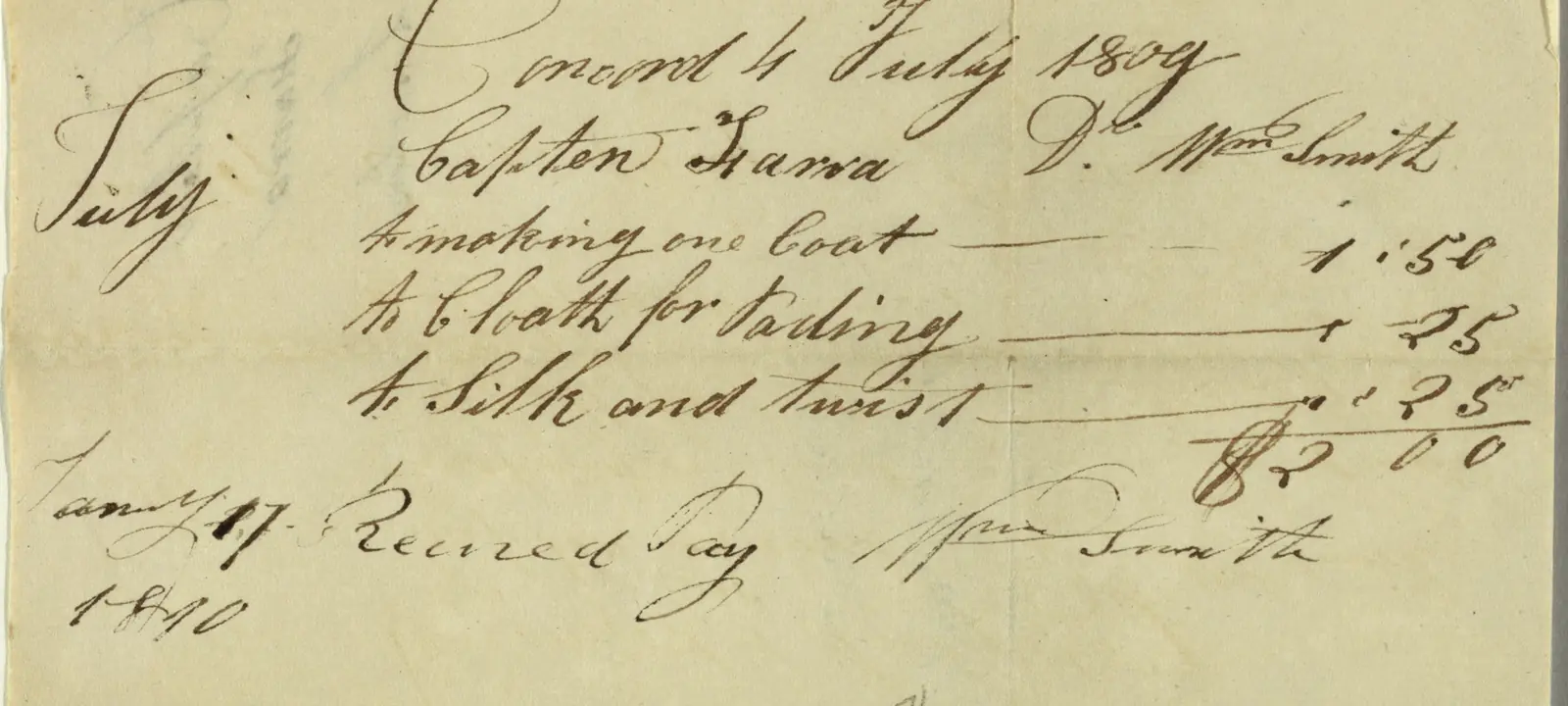
A year of mowing often arrives as one price. We want the lines that price is hiding.
Click to see that price ›Tap to see that price ›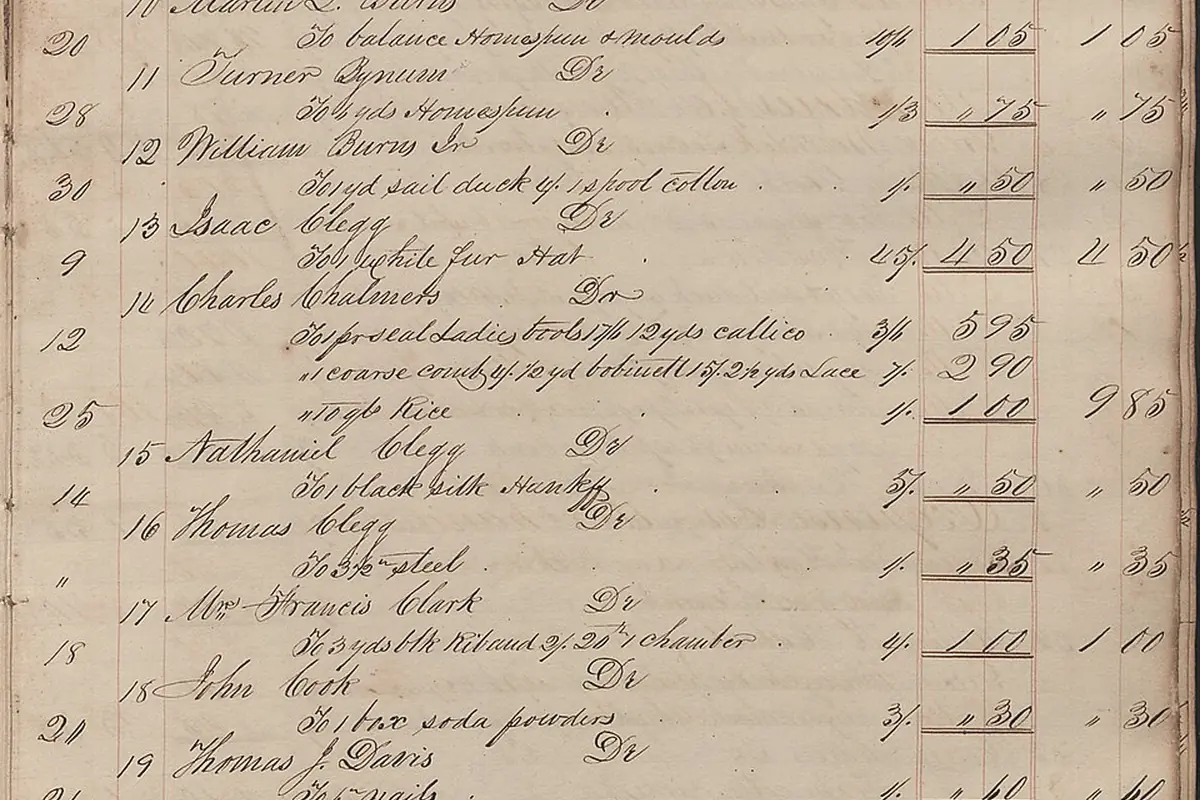
The five percent test
We test every bundled bid against a five percent line. At or under five percent, the taxable share can stay quiet. Past five percent, the whole bill is treated as taxable. The page linked in the footer writes the rule in full.
Click to read the five percent line ›Tap to read the five percent line ›
Design on its own line
A design fee folded into a mowing bid still needs its own line. It is taxed and reported differently from the weekly cut.
Click to see the design line ›Tap to see the design line ›
Pipe in the ground
An invoice with sprinkler pipe in it is construction, with its own rules and its own license. The invoice has to read in that order.
Click to see the pipe line ›Tap to see the pipe line ›
The week a crew starts
The week a solo operator hires the first person, payroll has to exist. We mark that week with you so the wage reports do not begin as a surprise.
Click to see that week ›Tap to see that week ›The question you hold
Most owners are holding one question about a bid they already signed. Bring that question. The lines are how we answer it.
Click to ask it ›Tap to ask it ›
A lawn year, month by month
Open a month and see what a crew's books usually have to face then.
1March
Seasonal bids go out while design is still folded into one price.
We ask for the lines before the first mow of the year.
2April
The first quarter's receipts get tied to the bank before the routes get loud.
A one person shop still needs a month a partner can read.
3May
The company return sits on the spring calendar, and an extension paper does not move the payment.
We write the form name in May, while there is still time to mean the election.
4June
A first hire means a payroll account in the company's name, with the wage floor written down.
We set that account up with you so the first payday is not a surprise.
5October
A mixed contract can still be pulled into lines while the year is open.
Fall is the last calm month to fix a bid the return will have to defend.
6January
The return has to point at the invoice, not at a single seasonal number.
We prepare it from a year whose lines were already split.
Later in the season
What a mixed bid does to a year
A lawn company sells a season. The customer hears one price, and that price is often the right way to sell the work. The books cannot keep it as one price. Mowing, planting, a design conversation, a right of way, and a sprinkler in the ground do not share a tax result. When they share an invoice, the return is left defending one number for work that was never one kind of work. We read the bid against the invoice before we touch a month, and we keep each service where a partner can point at it.
The relief is ordinary, and it is the relief we are after. You can still sell the season as one conversation. The invoice, the job sheet, and the sales tax return have to be able to point at the parts. A lender who asks which routes paid for the crew needs the same split. So does a partner who wants a number while the grass is still growing. The past gets cleaned up by pulling those parts apart. The present gets managed by keeping the next bid in lines. The year ahead gets a return that points at the invoice instead of at a speech.
Books, bank reconciliations, payroll set up on a provider you already run, and the return once the lines can stand up. That is what these pages are for. Statements come out of the close, not out of a pile assembled after the year has shut.
What a clean month looks like
A clean month here is a bank feed that matches, a set of invoices whose lines match the work, and a sales tax figure you could explain on a phone call without opening a second tab. Prepaid route money is not mixed with money you have already earned. Equipment bought for the routes does not belong in the same bucket as one week's fuel and mulch. Crew time has a home that is more specific than a single word for labor.
We set the books up so that loop can repeat. The crew is paid by a provider you already operate. We do not run payday. What we keep is a month that can show that cost. Reconciliations belong to the close, not to a March promise that dies when the routes get loud. On a Thursday you should be able to say what you have earned and which mows you still owe.
A loud July can look full for a reason the bank line will not explain by itself. The heat is already doing its work on the grass. The close should not wait for a cool week that may not come until October. A month that matches the bank is a calmer thing to hand a partner than a story you have to tell from memory.
What to send before we talk
Send the seasonal bid, the last four quarters of receipts if you know them, and a note about whether anyone besides you does the work. If a crew starts this month, say the week. If the bid includes a sprinkler, say that in the same note. If pesticides go out for hire, say that too. We would rather have a short honest note than a perfect export that arrives in May.
You do not need every old week retyped before we talk. Name the deadline out loud. A first mow, a loan, and the end of the year are three different afternoons. Treating them as one endless project is how catch up gets dropped in April, which is exactly when the grass will not wait. We'll start with the deadline you name, and we'll say if the file is not closed well enough to build on.
The worry of a letter
Owners lose sleep over a notice from the tax office, and they should. The invoice is what makes that letter smaller. You are the person the notice names, so the hearing is yours to walk into. Our week is gathering the invoices the letter listed and drafting the answers with you before that day. Facing it with one seasonal number and a whiteboard is a harder afternoon than facing it with lines.
The lines we ask for while the bids are going out are the lines that letter is going to ask for later. That is the whole reason to split the price while the year is still open. October is often the last calm month to fix a bid the return will have to defend. After that, the story hardens into whatever the invoice said.
Payday stays with the provider
The first hire changes the tax story and the people story in the same week. We set payroll up on the provider you choose, with the federal wage floor of 7.25 dollars an hour and the overtime week that starts after forty hours. You, or that provider, run payday. What we keep is the month that can show the cost of the crew against the routes, so a hot stretch does not feel like profit for a reason nobody can point at.
If you are still the only person on the tools, say that. A one person shop with nobody else doing the work still has four quarters of receipts to set beside the bank, and we would rather read those receipts than a blog that tells every mower the same next step. The page on the license walks through those quarters, the first hire, and the tank on the truck.
Ask who keeps the lawn books and the answer is Steven Palmieri, carrying the Tax CFO title together with the Entrepreneur's CFO title. A week of extra routes can look like cash when the prepay is still unearned. We close the month while the routes are still running.
Click to meet the practice ›Tap to meet the practice ›The practice reads the bid with you on a shared screen, wherever the routes are. A crew across town and a crew a long drive away close on the same date.
You will be talking to the Steven Palmieri practice.
Where one price hides four jobs
One bid is enough. We'll tell you what we see, and whether a close is the right next month.